

Complete feed
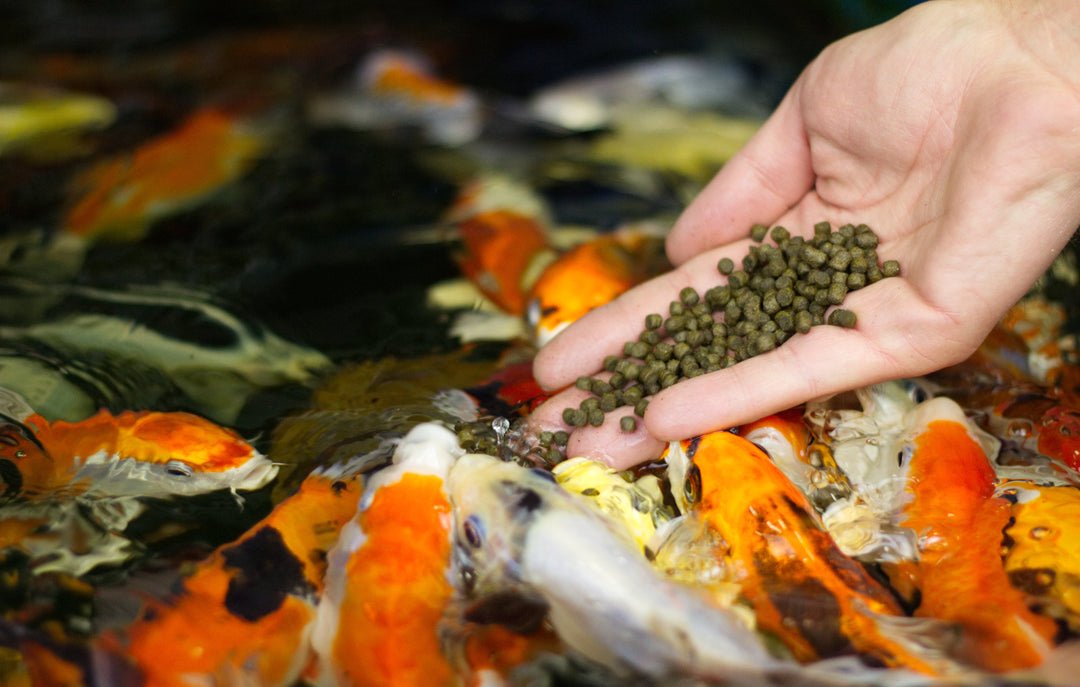
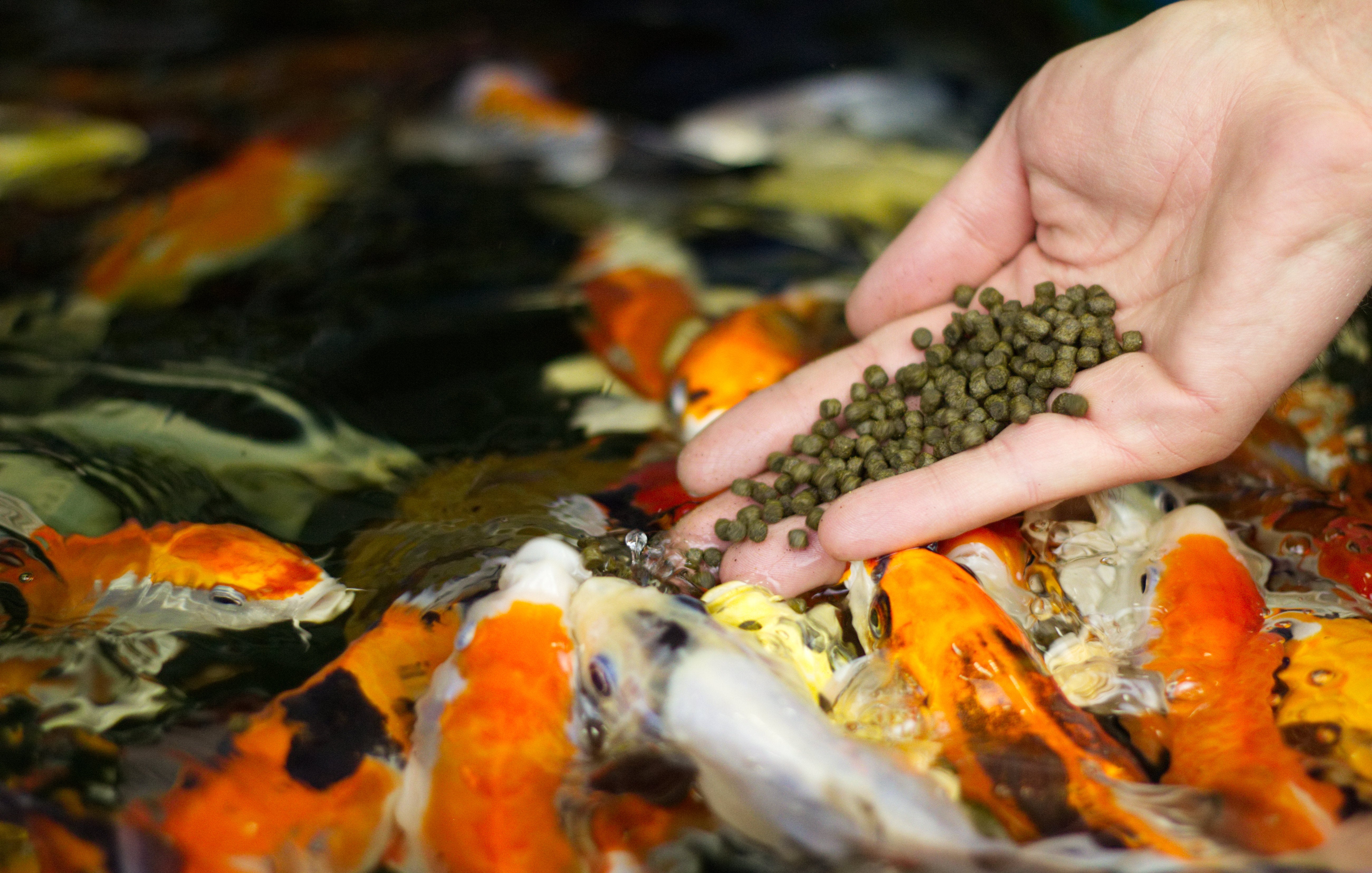
In the area of koi feeding, complete feeds are predominantly offered, the mixtures of which must fully meet all the koi's nutritional needs [1] . This means that the koi only needs this feed to be adequately nourished. The legislator also clearly stipulates in the Food and Feed Code that feed must, among other things, "maintain and improve the performance of farm animals […] and not impair the health of animals" [2] . The labeling requirements are clearly regulated by the legislator in the Feedstuffs Regulation [3] and Regulation (EC) No. 767/2009 [4] .
composition
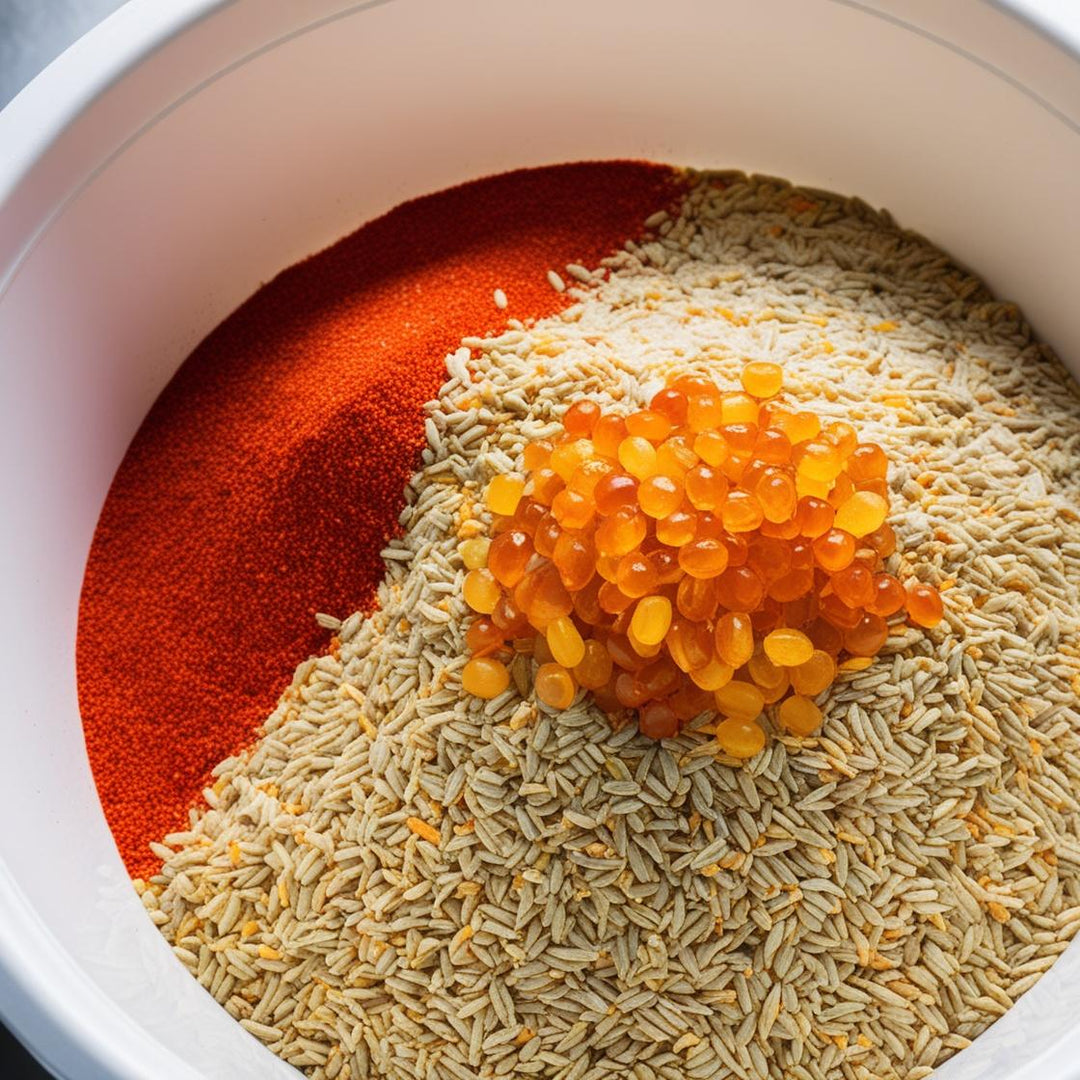
The composition lists the individual feedstuffs in descending order of percentage. Thus, the feedstuff present in the largest quantity by weight is listed first. The percentage of each individual feedstuff does not need to be specified.
There are no specific patents on the formula in the pet food sector; therefore, the legislator has created a way to protect against competitors. According to Section 6, Paragraph (2) of the Feedstuffs Ordinance, the following information is permitted:
“In the case of compound feed for non-food-producing animals […] instead of the specific name of a single feedstuff referred to in Article 17(1)(e) of Regulation (EC) No 767/2009, the group to which the single feedstuff belongs may be indicated in accordance with Annex 3” [3] .
This means that, for example, individual feedstuffs can be included in the group:
Meat and animal by-products
- All meat parts of slaughtered warm-blooded land animals, fresh or preserved by a suitable process, as well as all products and by-products from the processing of carcasses or parts of carcasses of warm-blooded land animals
Fish and fish by-products
- Fish or parts of fish, fresh or preserved by a suitable process, and by-products from processing
are joined together [3] .
Feed additives
Feed additives are listed under the feed composition. Regulation (EC) No. 1831/2003 on additives for use in animal nutrition governs the legal framework for feed ingredients. Every added additive must have a benefit. Depending on their function, feed additives are classified into five groups.
The classification of individual additives into the relevant groups is decided in Regulation (EC) No 1831/2003 according to clear guidelines [5] .
The following groupings are distinguished as follows:
- Technological additives:
Here you can find all the substances that positively influence the quality of the feed – added due to manufacturing processes.
- Sensory additives:
Improvement of the organoleptic properties (i.e., taste, smell, appearance or color) of the feed or the animal's appearance (e.g., color intensity in flamingos or fish).
- Nutritional additives:
The aim here is to promote materials to meet energy needs.
- Zootechnical additives:
The aim here is to improve animal performance, health, and reduce environmental impact.
- Coccidiostatins and histomonostatics:
Prevention of coccidiosis and histomoniasis (blackhead disease) in broiler chickens
According to Regulation (EC) No 1831/2003, Article 11(2), since 1 January 2006, medicated feed products such as antibiotics may no longer be used for prophylactic or performance-enhancing treatment. An exception exists for coccidiostats and histomonostats [5] .
Article 5 of Regulation (EC) No 1831/2003 provides for an increasing use of feed additives that have a positive effect on fish. These additives are capable of not harming human or animal health and of not having a negative impact on the environment [5] . However, a clear distinction must be made between medicinal products and feed additives in order to avoid misleading users.
This makes it legally difficult to aggressively promote the positive properties of specific secondary plant compounds and essential oils with health-promoting effects. While additives are often used because of their health-promoting effects, this cannot be aggressively advertised publicly.
Application
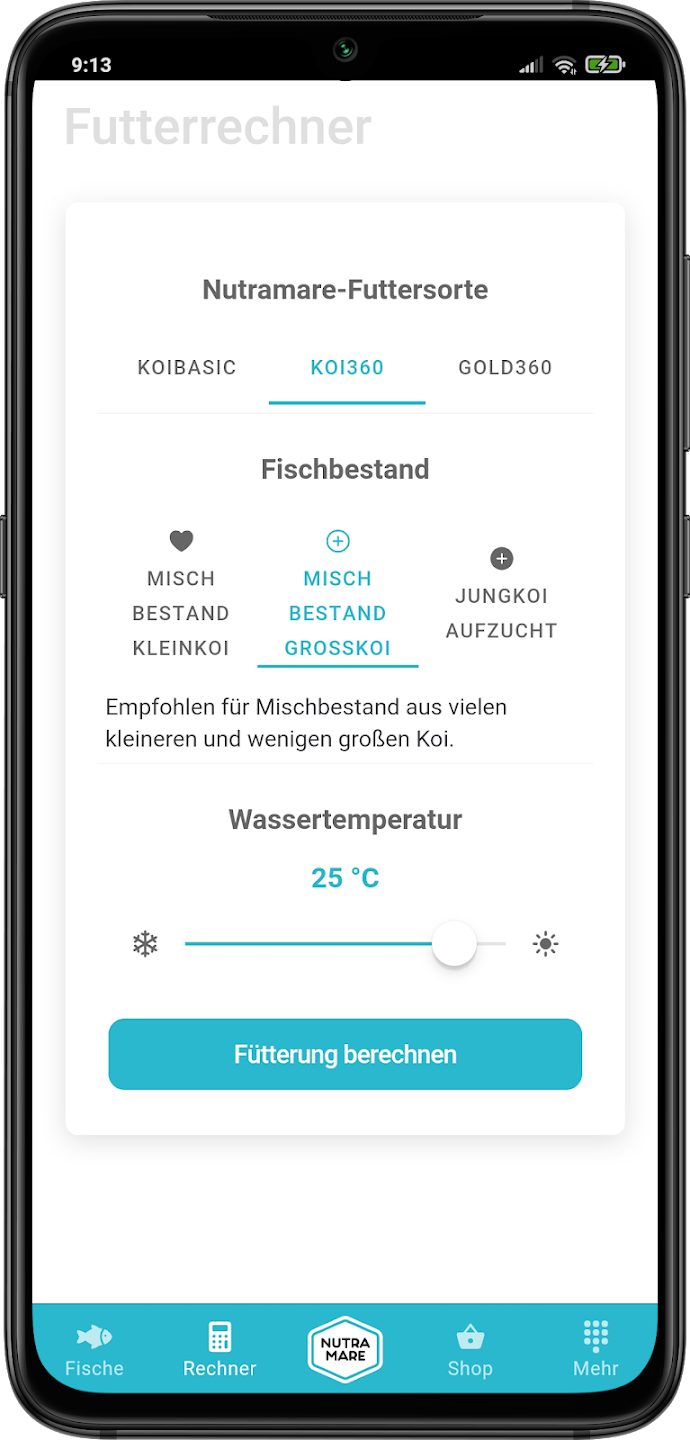
At this point, the manufacturer must provide a recommendation regarding the amount of feed to be administered.
Manufacturer number
Every fish feed sold in Germany must identify the producing compound feed mill for traceability purposes. This information is provided in the form of a multi-digit alpha number in accordance with Article 9(2) of Regulation (EC) No 183/2005.
In the case of Nutramare, this is DE BB 100006. The first two characters indicate the country of manufacture, in this case DE = Germany. The next two characters are only found in German products and indicate the federal state. In this case, BB = Brandenburg. The following number is the identification number of the manufacturing plant [6] .
Scientific sources:
[1] Steffens, W. (1989): Principles of fish nutrition . Ellis Horwood Limited. Chichester, New York, Brisbane, Toronto, p. 384.
[2] LFGB - Food and Feed Code as promulgated on 3 June 2013 (Federal Law Gazette I p. 1426), as last amended by Article 1 of the Act of 30 June 2017 (Federal Law Gazette I p. 2147)
[3] Feed Regulation as promulgated on 29 August 2016 (Federal Law Gazette I p. 2004), as last amended by Article 2 of the Regulation of 18 July 2018 (Federal Law Gazette I p. 1219)
[4] REGULATION (EC) No 767/2009 OF THE EUROPEAN PARLIAMENT AND OF THE COUNCIL of 13 July 2009 on the placing on the market and use of feed, amending Regulation (EC) No 1831/2003 of the European Parliament and of the Council and repealing Council Directives 79/373/EEC, 80/511/EEC, 82/471/EEC, 83/228/EEC, 93/74/EEC, 93/113/EC and 96/25/EC and Commission Decision 2004/217/EC
[5] REGULATION (EC) No 1831/2003 OF THE EUROPEAN PARLIAMENT AND OF THE COUNCIL of 22 September 2003 on additives for use in animal nutrition
[6] Notice No 06/01/021 concerning the approved establishments with regard to certain additives, premixes and feedstuffs