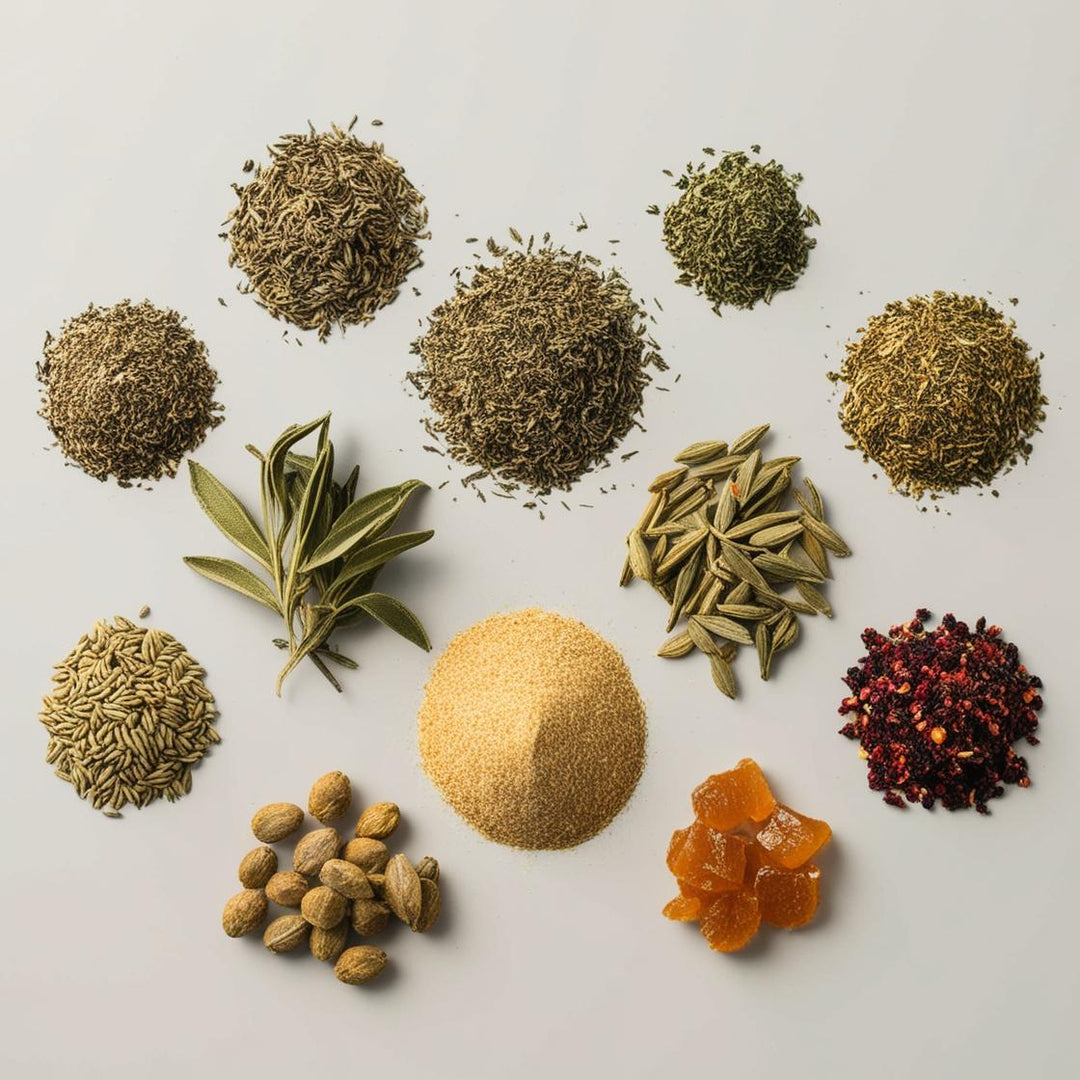



Alternative performance enhancers are intended to have a positive influence on the organism with regard to performance and health. These enhancers include probiotics, prebiotics, enzymes, organic acids/salts, and essential herbs. They can be found under the additional categories of sensory and zootechnical additives (REGULATION (EC) No 1831/2003). [5] .
Probiotics
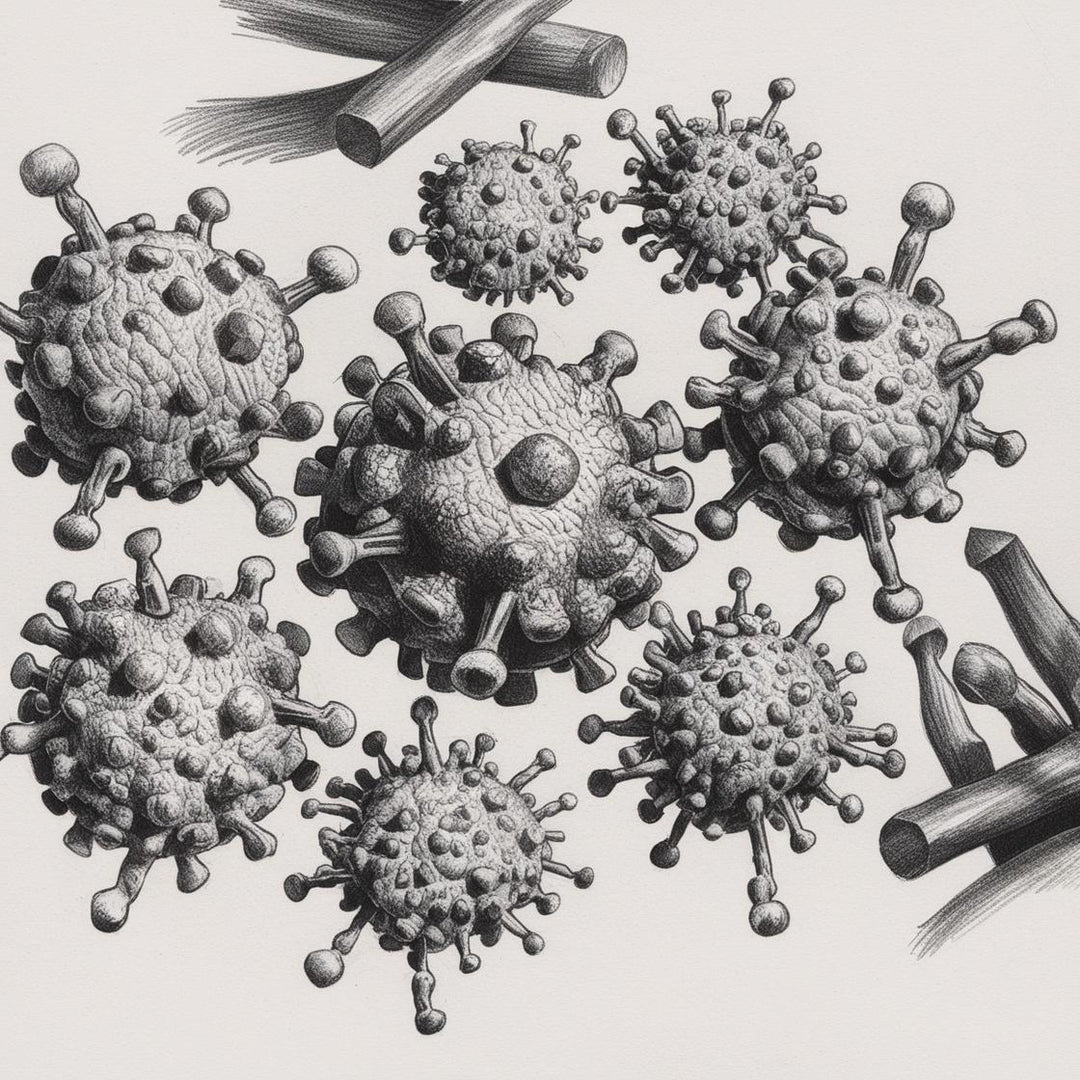
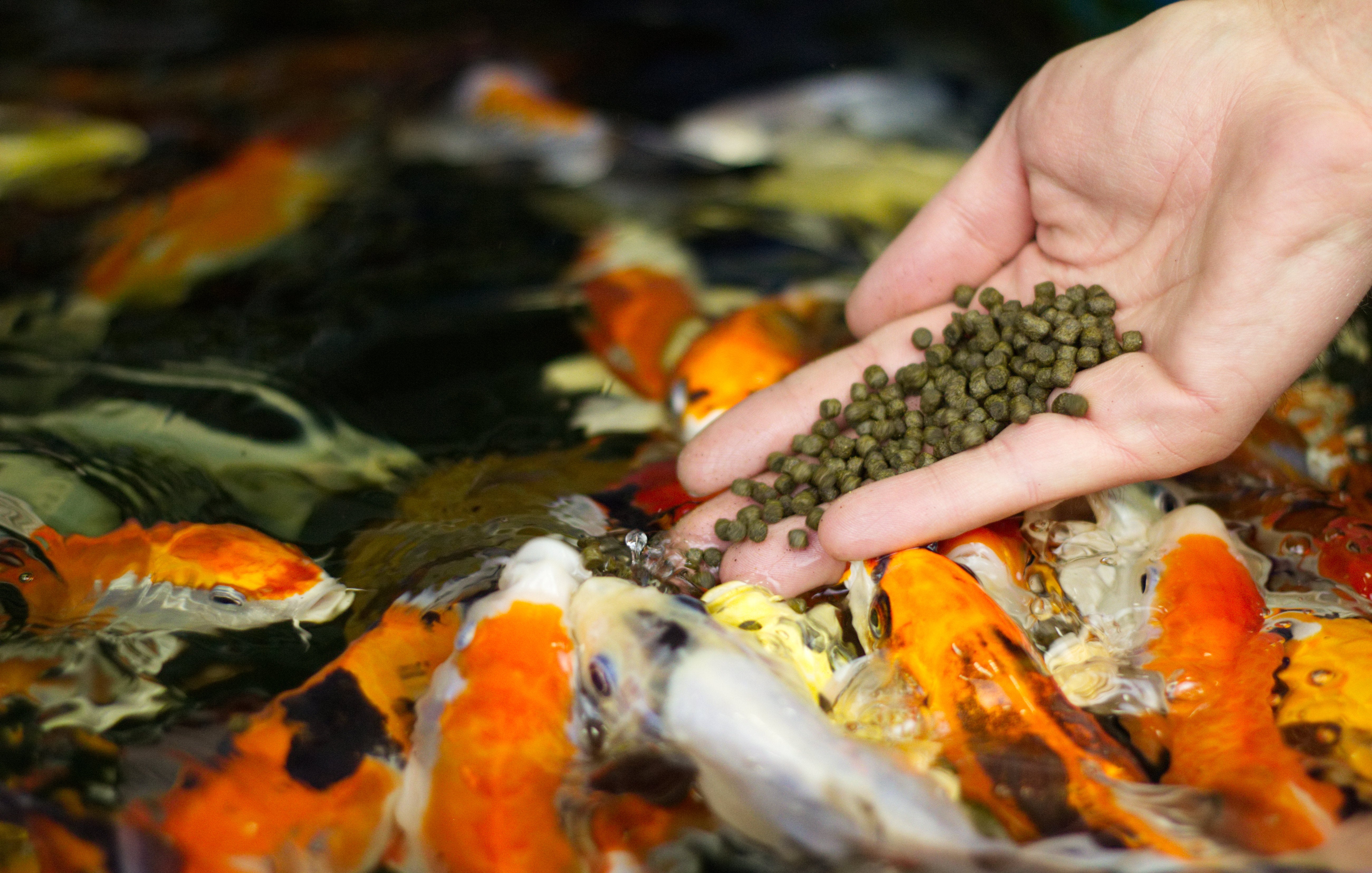
Probiotics are defined as live microorganisms that reach the intestine in sufficient quantities and in active form, thereby producing positive health effects. [1] One difficulty with the use of probiotics is their survival. Many do not survive the extrusion process (which is intended to preserve the feed) and must be administered afterwards. It is difficult for the consumer to assess whether the probiotics reach the koi in a sufficiently viable form.
Thus, unlike antibiotics, the feed does not contain microbial metabolic products, but rather the microorganisms themselves. The mechanisms of action are diverse and cannot be considered individually. They are based, among other things, on the displacement of unwanted microorganisms, competition for available nutrients, or the inhibition of unwanted microorganisms by their own metabolic byproducts. For the most part, microorganisms are responsible for immune stimulation and the direct activation of immune cells. [2] .
In animal nutrition, microorganism genera such as Saccharomyces, Enterococcus faecium, Streptococcus infantarius, Bacillus subtilis, B. licheniformis, B. cereus var. toyoi, Lactobacillus rhamnosus, L. casei, L. plantarum, L. farciminis, Paediococcus acidilactici and yeasts of the genus Saccharomyces cerevisiae are most frequently used [2, 3] .
The metabolic products released by probiotic bacteria are primarily organic acids, lactate, volatile fatty acids, and enzymes. Some of these metabolic products have been shown to have antimicrobial effects. For example, lactobacilli produce bacteriocins and plasmid-encoded proteins that can inhibit the growth of other bacteria. [2] . In a scientific study on trout, a significantly increased activity of phagocytes (which engulf dead microorganisms) and leukocytes (which fight off incompatible substances such as pathogens) was observed after 30 days of experimentation following the consumption of Lactobacillus rhamnosus. [4] .
Scientific sources:
[1] Federal Institute for Consumer Health Protection and Veterinary Medicine (1999): Final report of the working group “Probiotic microorganism cultures in food”: Urban & Vogel Medien, Munich – Available online at: https://www.bfr.bund.de/cm/343/probiot.pdf.
[2] Zentek J. (2011): Prebiotics, Probiotics , Institute of Animal Nutrition: Free University of Berlin, Berlin – Available online at: http://geb.uni-giessen.de/geb/volltexte/2011/8235/pdf/ Zentek_Praebiotika_2011.pdf.
[3] Renard, B. (2005): Rare earths as performance enhancers in fish farming – studies on rainbow trout and carp . Dissertation: Ludwig-Maximilians-University, Institute of Physiology, Physiological Chemistry and Animal Nutrition, Munich – Available online at: https://edoc.ub.uni-muenchen.de/4354/1/Renard_Bernd.pdf.
[4] Panigrahi, A.; Kiron, V.; Kobayashi, T.; Puangkaew, J.; Satoh, S.; Sugita, H. (2014): Immune responses in rainbow trout Oncorhynchus mykiss induced by a potential probiotic bacteria Lactobacillus rhamnosus JCM 1136 . In: Vet Immunology Immu-nopathol 102 (4), pp. 88 – 379.
[5] REGULATION (EC) No 1831/2003 OF THE EUROPEAN PARLIAMENT AND OF THE COUNCIL of 22 September 2003 on additives for use in animal nutrition.